Conditions
Skin Cancers (BCC, SCC, Melanoma)
What Is Skin Cancer?
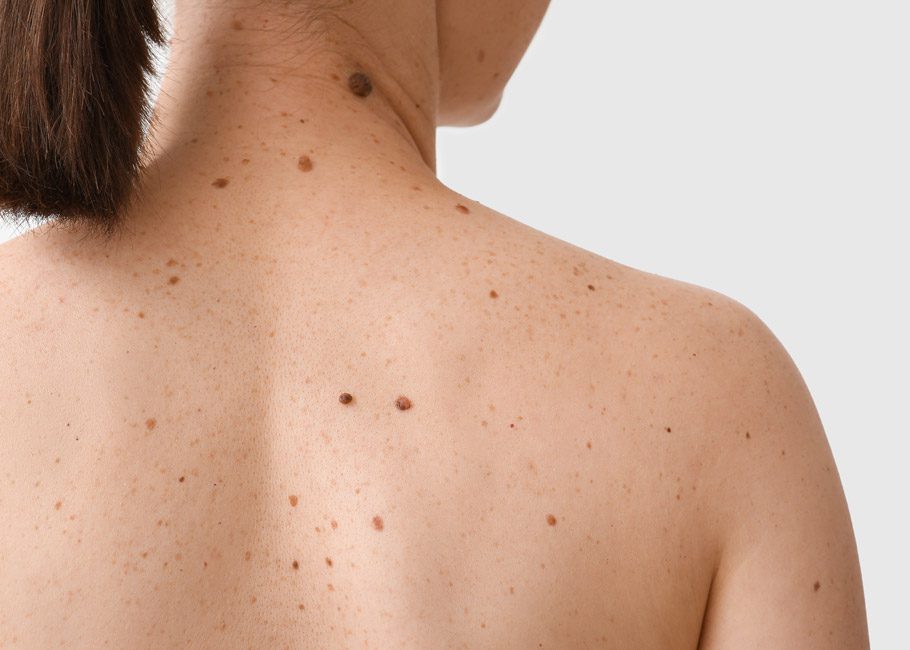
Skin cancer occurs when the skin cells grow uncontrollably, often due to damage from ultraviolet (UV) radiation. It is the most common form of cancer in the UK, with increasing incidence across all age groups. Early recognition is crucial, as prompt diagnosis and management dramatically improve outcomes.
The main types of skin cancer include:
- Basal Cell Carcinoma (BCC): The most common type, usually slow-growing and rarely spreads, often appearing as flat, pearly, cystic, nodular, pink or flesh-coloured lumps.
- Squamous Cell Carcinoma (SCC): Typically more aggressive than BCC, these can appear as scaly, horn-like red patches or raised lumps and may ulcerate if untreated.
- Melanoma: The least common but most dangerous form, often presenting as an irregularly pigmented mole or spot that changes in size, shape, or colour.
Other, less common types include Merkel cell carcinoma, cutaneous lymphoma, and rare adnexal tumours. While these are unusual, awareness of unusual lesions is essential for early intervention.
Causes and Risk Factors
Skin cancer is primarily caused by UV radiation exposure from sunlight or tanning beds. Risk factors include:
- Fair or freckled skin
- Family history of skin cancer
- Multiple moles or atypical moles
- Immunosuppression or previous cancer treatment
- History of severe sunburn, particularly in childhood
Lifestyle factors, including outdoor occupation or recreational sun exposure, can also influence risk.
Warning Signs to Watch For
Early detection is critical. Patients should monitor their skin regularly and seek professional advice if they notice:
- Changes in size, shape, colour, or texture of a mole or spot
- Lesions that bleed, crust, or do not heal
- New growths that appear rapidly
- Any unusual or persistent patches of skin
The ABCDE rule – Asymmetry, Border, Colour, Diameter, Evolving – is widely used to identify suspicious lesions, particularly melanomas.
Understanding the Condition
Skin cancer can affect any area of the body, including face, neck, scalp, arms, trunk, and legs. At Kirbha Clinic in London, Essex, Cambridge, Norwich, and Brighton, patients benefit from careful skin assessment to identify potentially malignant lesions early.
Where treatment is necessary, options may include surgical excision, direct closure, skin grafts, flaps, or other reconstructive procedures. Regular skin checks, sun protection, and awareness of changes are key to maintaining skin health and catching cancer early, protecting both appearance and overall wellbeing.
Book a ConsultationTreatments
Related Treatments
Treatment
Skin Cancer Removal
At Kirbha Clinic, skin cancer removal is performed by Mr Bhagwat Mathur. Skin cancers, including basal cell carcinoma (BCC), squamous cell carcinoma (SCC), and melanoma, can be serious conditions that require timely assessment and precise management.
View Treatment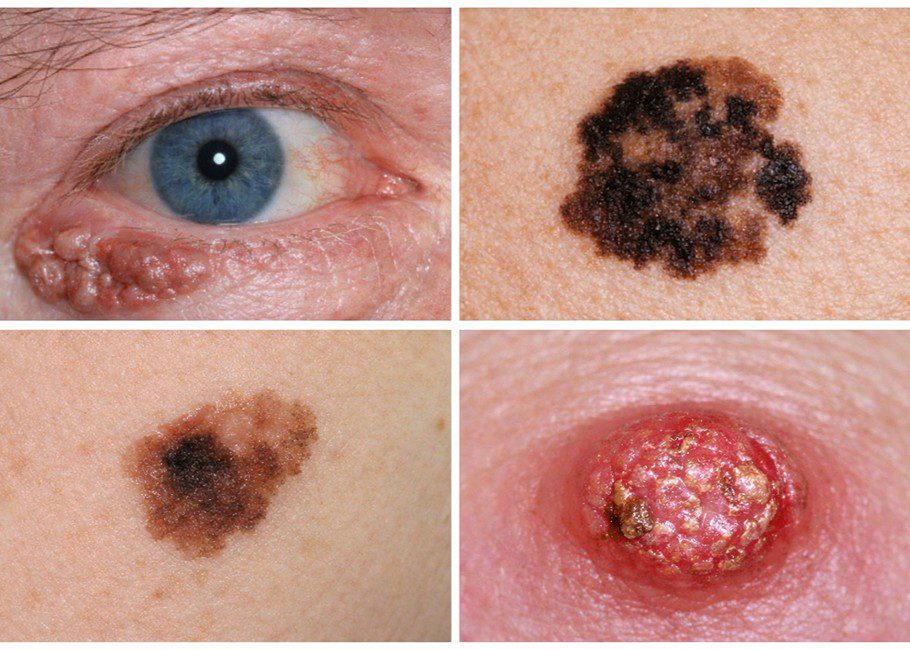
Treatment
Seborrhoeic Keratosis Removal
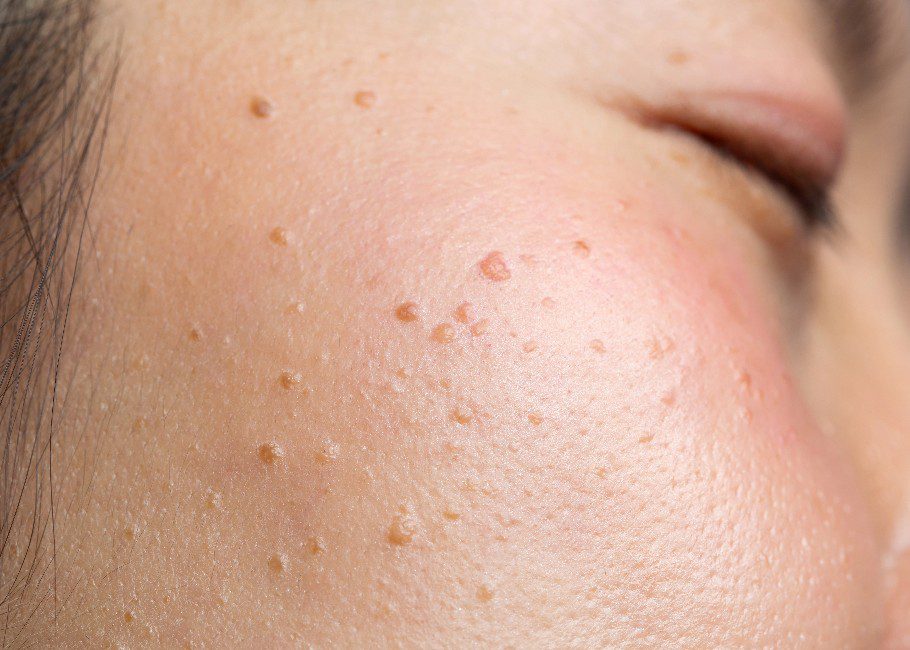
At Kirbha Clinic, seborrheic keratosis removal is performed by Mr Bhagwat Mathur.
View TreatmentTreatment
Mole Check & Mole Removal
Moles are very common skin growths - brown, black, or pink in colour, which can be flat or raised - that can be present from birth as a birthmark, or develop later in life.
View Treatment
Treatment
Skin Cancer Removal
At Kirbha Clinic, skin cancer removal is performed by Mr Bhagwat Mathur. Skin cancers, including basal cell carcinoma (BCC), squamous cell carcinoma (SCC), and melanoma, can be serious conditions that require timely assessment and precise management.
View Treatment Treatment
Seborrhoeic Keratosis Removal
At Kirbha Clinic, seborrheic keratosis removal is performed by Mr Bhagwat Mathur.
View Treatment Treatment
Mole Check & Mole Removal
Moles are very common skin growths - brown, black, or pink in colour, which can be flat or raised - that can be present from birth as a birthmark, or develop later in life.
View Treatment