Conditions
Moles
What Are Moles?
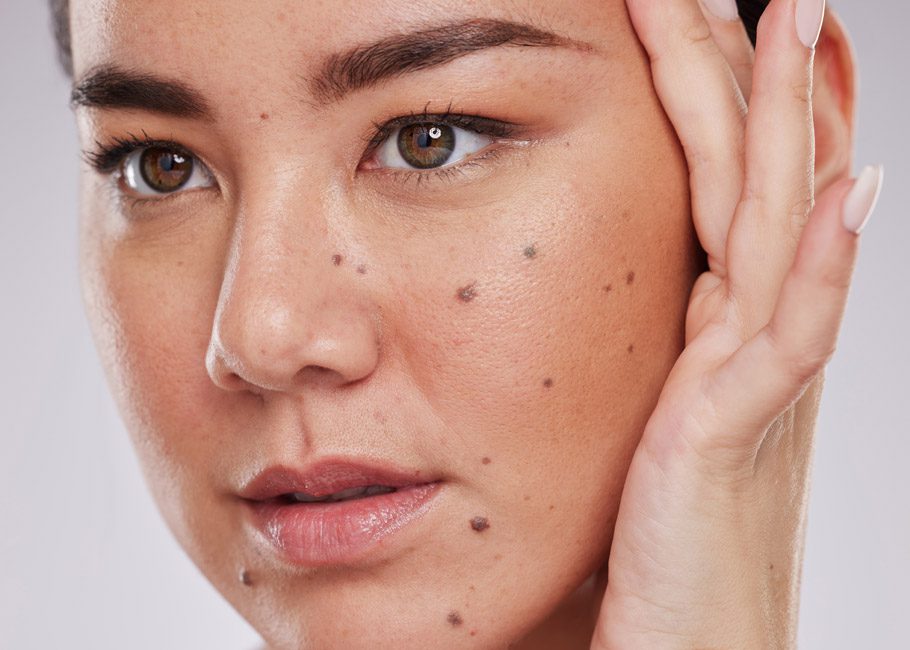
Moles are common skin growths that appear when pigment-producing cells (melanocytes) cluster together. They can develop anywhere on the body, including the face, neck, scalp, trunk, arms, thighs, legs, and genital area. Also, referred to as nevi, moles vary in size, colour, and shape, ranging from flat brown marks to raised, flesh-coloured or darker lesions. Some are present at birth, while others appear gradually throughout childhood and adulthood.
Most people have between 10 and 40 moles, and in the majority of cases they are completely harmless. However, moles can sometimes become irritated, catch on clothing, or cause cosmetic concern depending on their size or location. In certain cases, changes in a mole may signal an underlying skin condition that requires medical assessment.
Why Do Moles Develop?
Moles form as a result of increased activity of melanocytes, influenced by both genetic and environmental factors. Sun exposure plays a significant role in mole development, particularly during childhood and adolescence. Hormonal changes during puberty or pregnancy can also cause existing moles to darken or new ones to appear.
Some people are genetically predisposed to having more moles, especially those with fair skin. Repeated sunburn, especially in early life, increases both the number of moles and the likelihood of changes over time.
When Should a Mole Be Checked?
Most moles remain stable throughout life, but certain changes may warrant medical review. These include:
- Change in size, shape, or colour
- Irregular or blurred borders
- Bleeding, crusting, or itching
- Rapid growth
- A mole that looks different from others on the body
These features are sometimes described using the ABCDE rule (Asymmetry, Border, Colour, Diameter, Evolving). Early assessment is important to rule out abnormal or potentially cancerous changes.
Understanding the Condition
Moles can be a simple cosmetic concern or a medical one, depending on their appearance and behaviour. At Kirbha Clinic in London, Essex, Cambridge, Norwich, and Brighton, patients benefit from careful skin assessment that considers mole type, location, and any signs of change.
Where appropriate, moles may be removed for diagnostic or cosmetic reasons using minor surgical techniques under local anaesthetic. Any removed tissue can be sent for histopathological analysis to confirm the diagnosis and ensure complete excision. Understanding the nature of moles allows patients to monitor their skin confidently and seek timely advice if changes occur, supporting both skin health and peace of mind.
Book a ConsultationTreatments
Related Treatments
Treatment
Mole Check & Mole Removal
Moles are very common skin growths - brown, black, or pink in colour, which can be flat or raised - that can be present from birth as a birthmark, or develop later in life.
View Treatment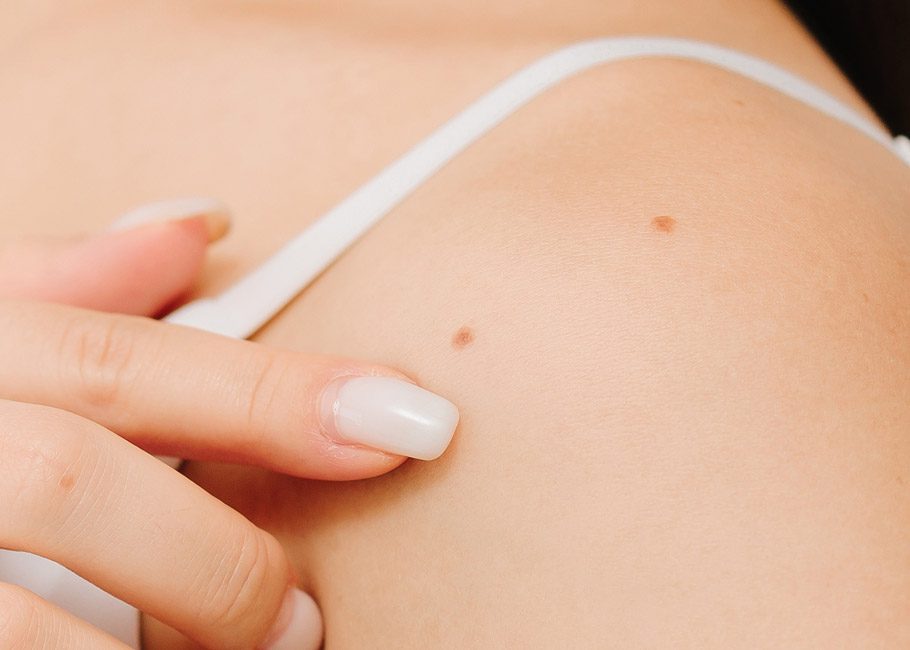

Treatment
Skin Tag Removal
At Kirbha Clinic, skin tag removal is performed at our London and Essex facilities by Mr Bhagwat Mathur.
View TreatmentTreatment
Skin Cancer Removal
At Kirbha Clinic, skin cancer removal is performed by Mr Bhagwat Mathur. Skin cancers, including basal cell carcinoma (BCC), squamous cell carcinoma (SCC), and melanoma, can be serious conditions that require timely assessment and precise management.
View Treatment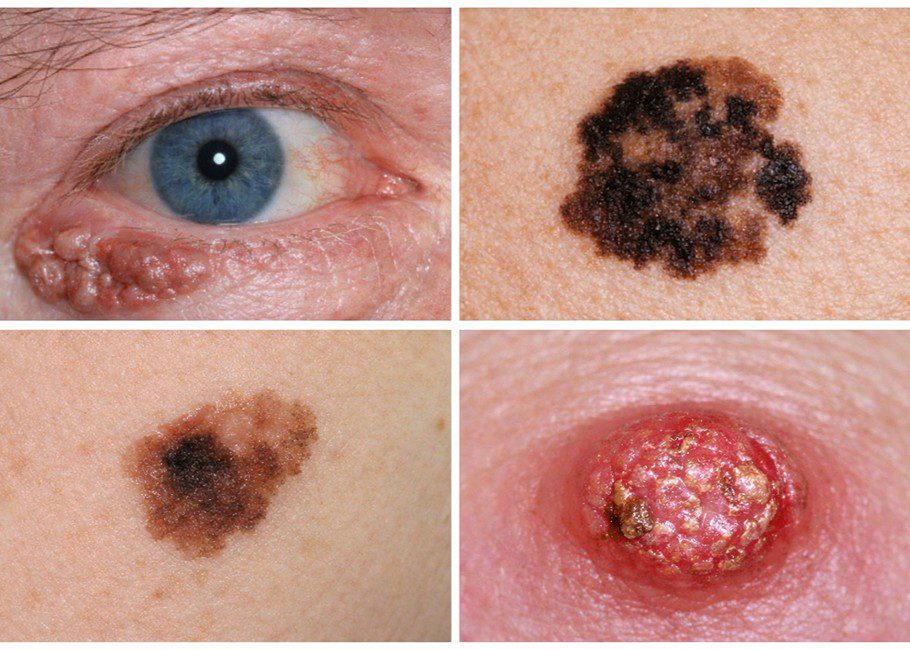
Treatment
Mole Check & Mole Removal
Moles are very common skin growths - brown, black, or pink in colour, which can be flat or raised - that can be present from birth as a birthmark, or develop later in life.
View Treatment Treatment
Skin Tag Removal
At Kirbha Clinic, skin tag removal is performed at our London and Essex facilities by Mr Bhagwat Mathur.
View Treatment Treatment
Skin Cancer Removal
At Kirbha Clinic, skin cancer removal is performed by Mr Bhagwat Mathur. Skin cancers, including basal cell carcinoma (BCC), squamous cell carcinoma (SCC), and melanoma, can be serious conditions that require timely assessment and precise management.
View Treatment