Conditions
Seborrhoeic Keratosis
What Is Seborrhoeic Keratosis?
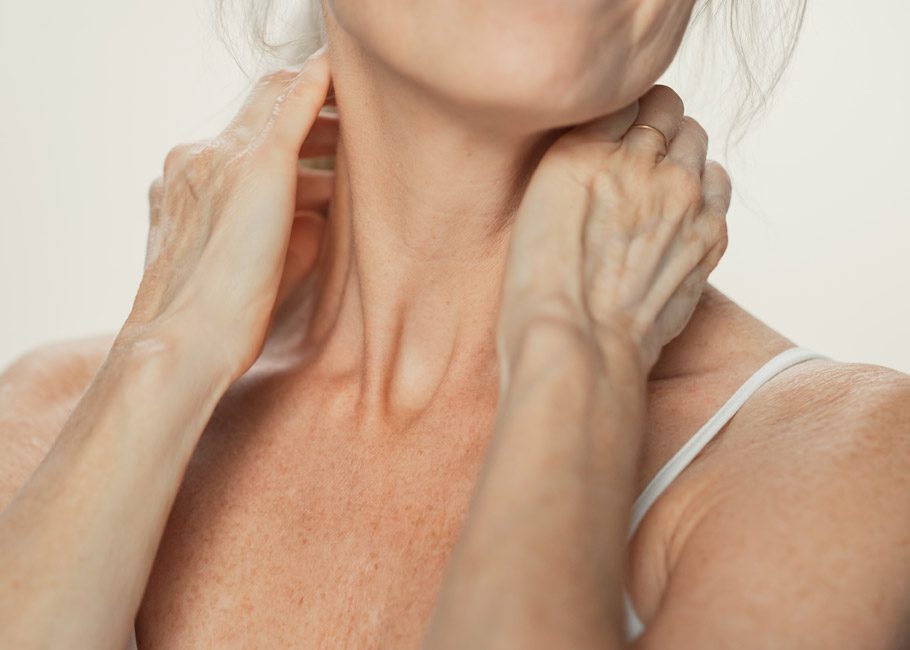
Seborrhoeic keratosis is a very common, benign (non-cancerous) skin growth that typically appears in adulthood and becomes more frequent with age. These lesions often look like raised, waxy or scaly patches that seem to be ‘stuck on’ to the surface of the skin. They can range in colour from light tan to dark brown or black and vary in size from a few millimetres to several centimetres.
Seborrhoeic keratoses can develop anywhere on the body but are most often found on the chest, back, face, scalp, and shoulders. Although harmless, they can become irritated by clothing, shaving, or jewellery and may cause cosmetic concern, particularly when they appear on visible areas such as the face or neck.
Why Does Seborrhoeic Keratosis Develop?
The exact cause of seborrhoeic keratosis is not fully understood, but it is strongly linked to ageing and genetic factors. Many people notice that these growths appear gradually over time, especially after the age of 40. A family history of seborrhoeic keratosis increases the likelihood of developing multiple lesions.
Sun exposure may influence where the lesions appear, although they can also form on areas not exposed to sunlight. Hormonal changes and certain medical conditions have also been suggested as contributing factors, but seborrhoeic keratosis is not caused by infection and cannot be spread from person to person.
Commonly Affected Areas
- Trunk (chest and back): Most common sites
- Face and neck: Often a cosmetic concern
- Scalp: May be mistaken for moles or warts
- Shoulders and upper arms: Frequently affected with age
When Should Seborrhoeic Keratosis Be Checked?
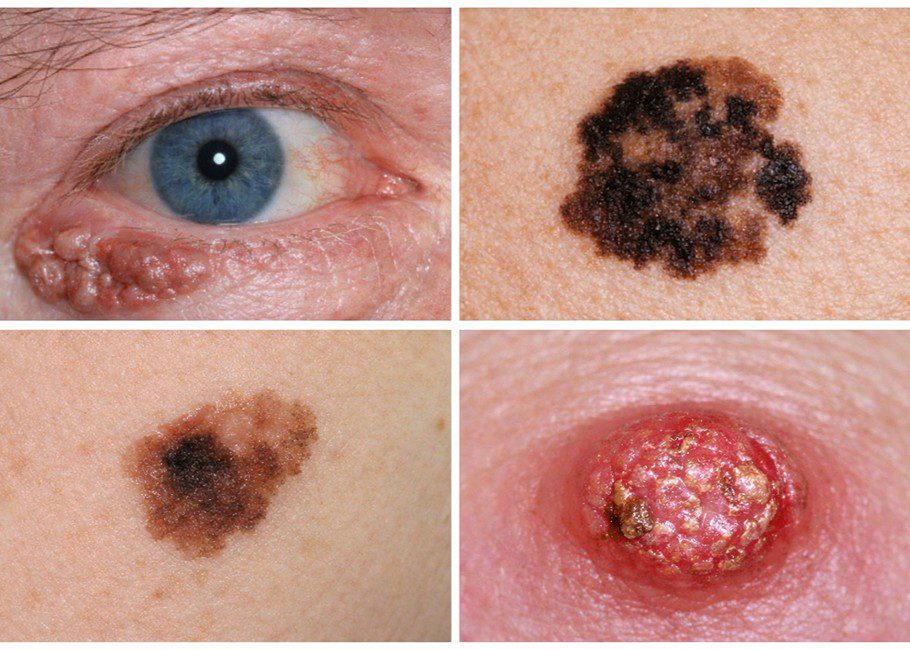
Seborrhoeic keratoses are usually easy to recognise, but some skin cancers can appear similar in early stages. Any lesion that changes rapidly, bleeds, becomes inflamed, or looks significantly different from others should be examined by a medical professional. A clinical assessment ensures that the diagnosis is accurate and that more serious conditions are ruled out.
Understanding the Condition
Seborrhoeic keratosis is a harmless condition, but it can affect comfort and confidence depending on its size and location. At Kirbha Clinic in London, Essex, Cambridge, Norwich, and Brighton, patients receive expert skin assessment to confirm the nature of the lesion and discuss appropriate management.
Where suitable, seborrhoeic keratoses can be removed using minor surgical techniques under local anaesthetic to relieve irritation or improve appearance. Understanding the benign nature of seborrhoeic keratosis allows patients to monitor their skin with reassurance while knowing when to seek professional advice.
Book a ConsultationTreatments
Related Treatments
Treatment
Seborrhoeic Keratosis Removal
At Kirbha Clinic, seborrheic keratosis removal is performed by Mr Bhagwat Mathur.
View Treatment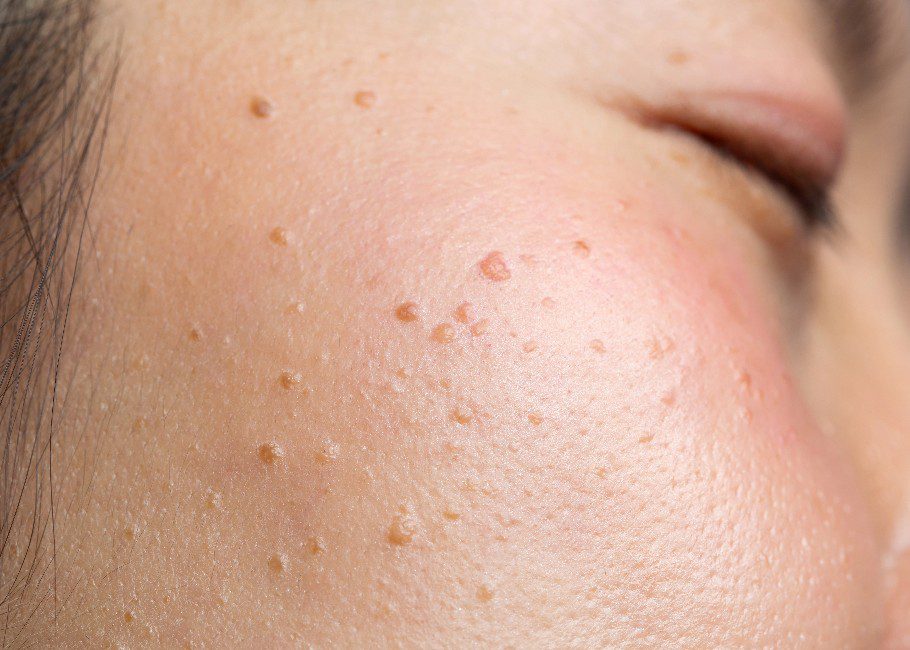
Treatment
Skin Cancer Removal
At Kirbha Clinic, skin cancer removal is performed by Mr Bhagwat Mathur. Skin cancers, including basal cell carcinoma (BCC), squamous cell carcinoma (SCC), and melanoma, can be serious conditions that require timely assessment and precise management.
View TreatmentTreatment
Warts and Verrucae Removal
At Kirbha Clinic, removal of warts and verrucae is performed by Mr Bhagwat Mathur.
View Treatment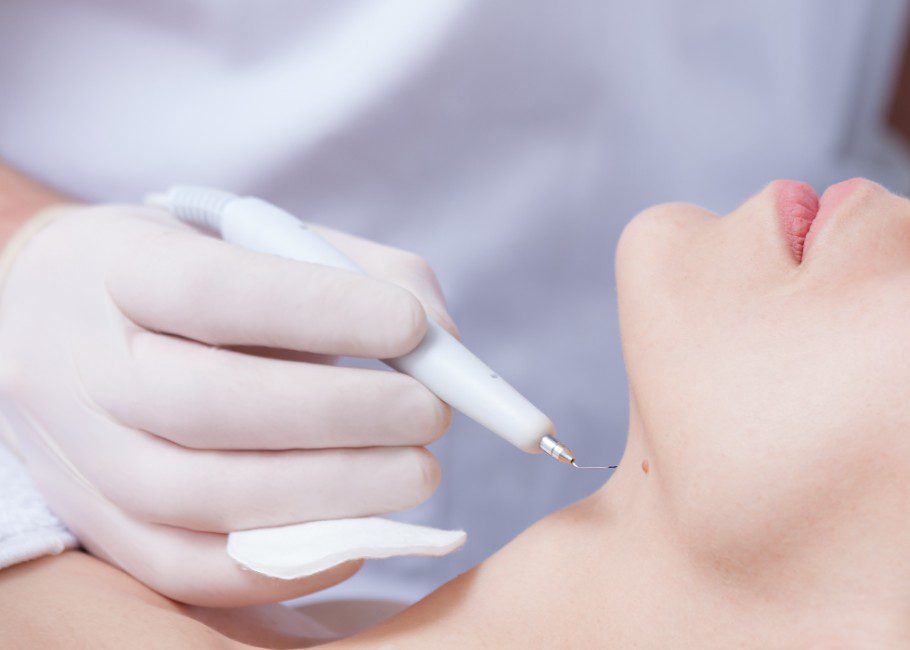
Treatment
Seborrhoeic Keratosis Removal
At Kirbha Clinic, seborrheic keratosis removal is performed by Mr Bhagwat Mathur.
View Treatment Treatment
Skin Cancer Removal
At Kirbha Clinic, skin cancer removal is performed by Mr Bhagwat Mathur. Skin cancers, including basal cell carcinoma (BCC), squamous cell carcinoma (SCC), and melanoma, can be serious conditions that require timely assessment and precise management.
View Treatment Treatment
Warts and Verrucae Removal
At Kirbha Clinic, removal of warts and verrucae is performed by Mr Bhagwat Mathur.
View Treatment