Conditions
Warts & Verrucae
What Are Warts and Verrucae?
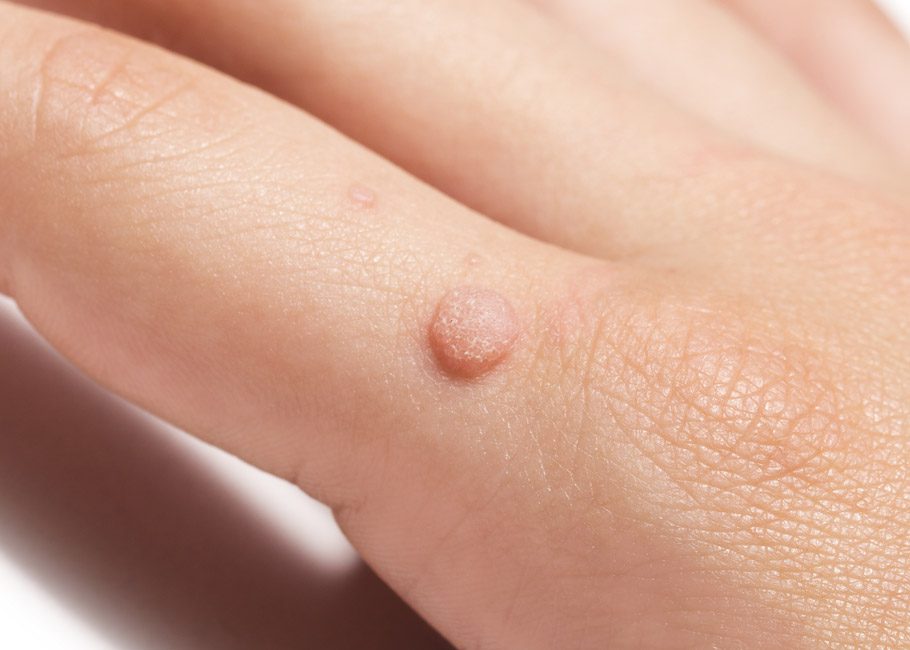
Warts and verrucae are common viral skin growths caused by infection with the human papillomavirus (HPV). They can appear anywhere on the body but most often develop on the hands, fingers, knees, feet, and even around the eyes and genitalia. Verrucae are a specific type of wart that occur on the soles of the feet and are sometimes called plantar warts.
These growths may look rough or grainy and can vary in size and thickness. Verrucae often grow inward due to pressure from walking and may be painful, particularly when standing or exercising. Warts elsewhere on the body are usually painless but can be unsightly or catch on clothing, leading to irritation or bleeding.
Why Do Warts Develop?
Warts develop when HPV enters the skin through tiny cuts or breaks in the surface. The virus thrives in warm, moist environments, making swimming pools, changing rooms, and communal showers common places for infection. Children and young adults are more likely to develop warts, but they can affect people of any age.
A weakened immune response increases susceptibility to warts, which is why some people develop only one while others develop multiple or recurrent lesions. Certain strains of HPV are more likely to cause verrucae on the feet, while others affect the hands or face.
Commonly Affected Areas
- Hands and fingers: Common warts with a rough, raised surface
- Feet (verrucae): Flat or inward-growing warts that may be painful
- Knees and elbows: Areas prone to minor cuts
- Face and scalp: Less common but can be cosmetically concerning
How Warts and Verrucae Change Over Time
Some warts resolve naturally as the immune system clears the virus, but this may take months or even years. Others persist, spread to nearby skin, or multiply through scratching or shaving. Verrucae may become increasingly uncomfortable due to pressure from walking, sometimes affecting posture and mobility.
Understanding the Condition
Warts and verrucae are contagious and can spread through direct skin contact or shared surfaces. At Kirbha Clinic in London, Essex, Cambridge, Norwich, and Brighton, patients receive an assessment to confirm the diagnosis and rule out other types of skin lesions.
Where appropriate, treatments such as cauterisation or cryotherapy may be advised to remove the lesion, reduce discomfort, or limit spread to other areas. Minor surgical methods can be used under local anaesthetic for unresponsive cases. Understanding the viral nature of warts and verrucae helps patients take steps to prevent transmission and recognise when medical advice is needed.
Book a ConsultationTreatments
Related Treatments
Treatment
Warts and Verrucae Removal
At Kirbha Clinic, removal of warts and verrucae is performed by Mr Bhagwat Mathur.
View Treatment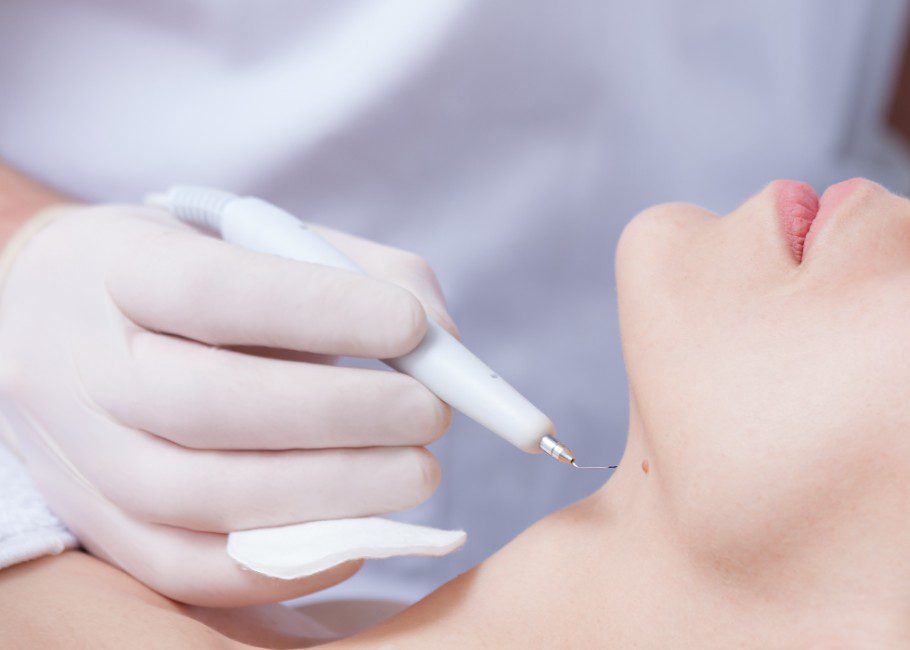
Treatment
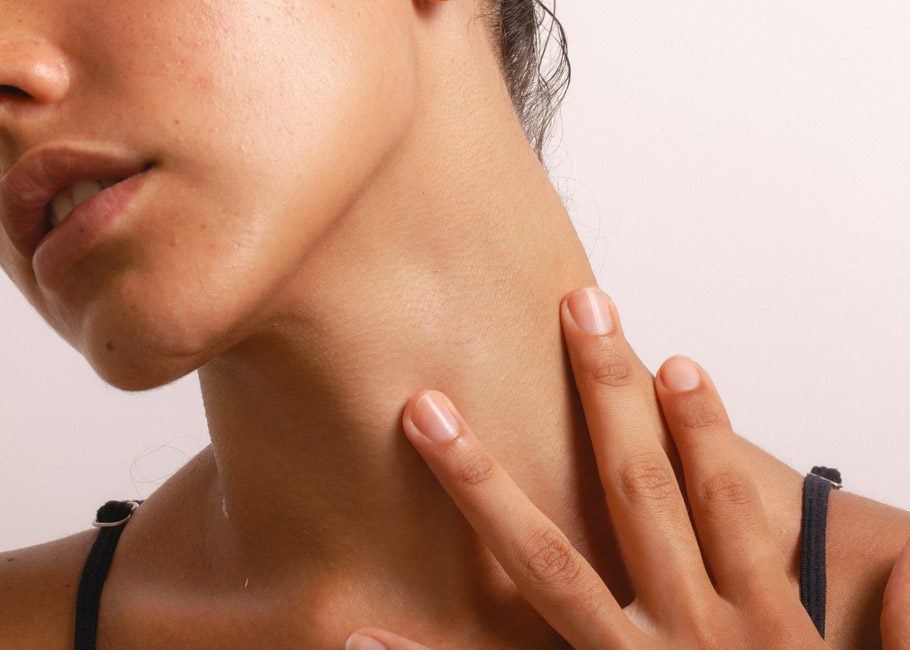
Skin Tag Removal
At Kirbha Clinic, skin tag removal is performed at our London and Essex facilities by Mr Bhagwat Mathur.
View TreatmentTreatment
Seborrhoeic Keratosis Removal
At Kirbha Clinic, seborrheic keratosis removal is performed by Mr Bhagwat Mathur.
View Treatment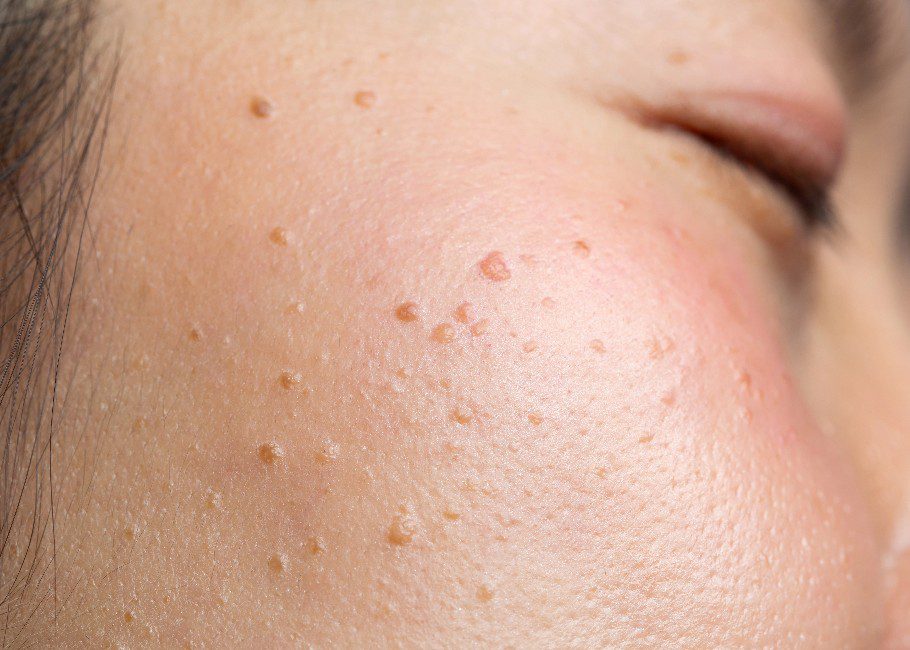
Treatment
Warts and Verrucae Removal
At Kirbha Clinic, removal of warts and verrucae is performed by Mr Bhagwat Mathur.
View Treatment Treatment
Skin Tag Removal
At Kirbha Clinic, skin tag removal is performed at our London and Essex facilities by Mr Bhagwat Mathur.
View Treatment Treatment
Seborrhoeic Keratosis Removal
At Kirbha Clinic, seborrheic keratosis removal is performed by Mr Bhagwat Mathur.
View Treatment