Conditions
Skin Tags
What Are Skin Tags?
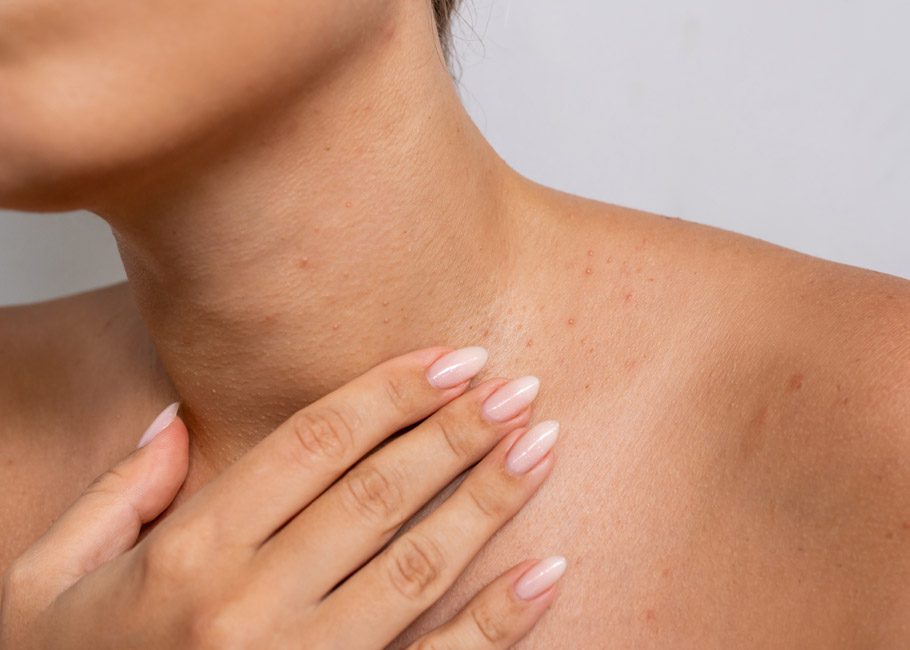
Skin tags are small, soft growths of skin that commonly appear in areas where the skin folds or rubs together. They are usually flesh-coloured or slightly darker and may be smooth or wrinkled in texture. Skin tags can develop on many parts of the body, including the neck, eyelids, armpits, groin, under the breasts, and along the waistline.
Although they are harmless, skin tags can become irritating if they catch on clothing or jewellery, or if they appear in visible areas such as the face or neck. Many people seek advice because of discomfort, repeated trauma, or cosmetic concern rather than medical risk.
Why Do Skin Tags Develop?
Skin tags develop when small areas of skin overgrow, often due to friction. They are more common in adults and tend to increase in number with age. Certain factors make skin tags more likely to appear, including being overweight, having folds of skin that rub together, and experiencing hormonal changes.
There is also a recognised association between skin tags and conditions such as insulin resistance, diabetes, and metabolic syndrome. Genetics may play a role too, as some people are more prone to developing multiple skin tags. Pregnancy can also trigger their appearance due to hormonal shifts and changes in skin elasticity.
Commonly Affected Areas
- Neck and collar area: Frequent rubbing from clothing or jewellery
- Armpits: Warm, moist areas prone to friction
- Eyelids: Delicate skin where small tags may be noticeable
- Groin and under the breasts: Skin folds where movement causes repeated rubbing
- Labial and perianal skin tags: Caused by friction or metabolic issues
When Should Skin Tags Be Checked?
Most skin tags are straightforward and remain unchanged over time. However, any growth that becomes painful, bleeds unexpectedly, darkens rapidly, or changes in shape should be examined by a medical professional. Occasionally, other types of skin lesions can resemble skin tags, so an accurate assessment is important before any removal is considered.
Understanding the Condition
Skin tags are benign but can cause ongoing irritation or concern depending on their size and location. At Kirbha Clinic in London, Essex, Cambridge, Norwich, and Brighton, patients receive careful skin assessments to confirm the nature of the lesion and determine the most appropriate management.
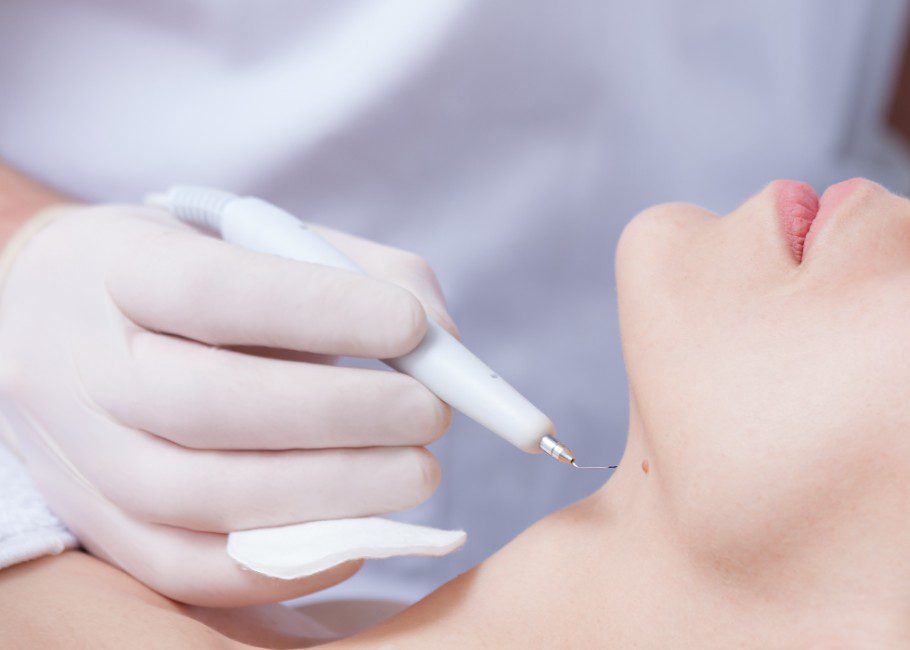
Where appropriate, skin tags can be removed safely using minor surgical techniques under local anaesthetic. This can relieve discomfort, reduce the risk of repeated trauma, and improve confidence when tags are located in visible areas. Understanding why skin tags develop and recognising when to seek medical advice allows patients to manage these common skin growths with reassurance and clarity.
Book a Consultation
Treatments
Related Treatments
Treatment
Skin Tag Removal
At Kirbha Clinic, skin tag removal is performed at our London and Essex facilities by Mr Bhagwat Mathur.
View Treatment
Treatment
Warts and Verrucae Removal
At Kirbha Clinic, removal of warts and verrucae is performed by Mr Bhagwat Mathur.
View TreatmentTreatment
Milia Removal, Cyst Removal & Lipoma Removal
Milia removal, cyst removal and lipoma removal at Kirbha Clinic are performed by Mr Bhagwat Mathur.
View Treatment
Treatment
Skin Tag Removal
At Kirbha Clinic, skin tag removal is performed at our London and Essex facilities by Mr Bhagwat Mathur.
View Treatment Treatment
Warts and Verrucae Removal
At Kirbha Clinic, removal of warts and verrucae is performed by Mr Bhagwat Mathur.
View Treatment Treatment
Milia Removal, Cyst Removal & Lipoma Removal
Milia removal, cyst removal and lipoma removal at Kirbha Clinic are performed by Mr Bhagwat Mathur.
View Treatment